——- Preservation • Stewardship • Legacy
OUTEAST
/Historic
Eastside
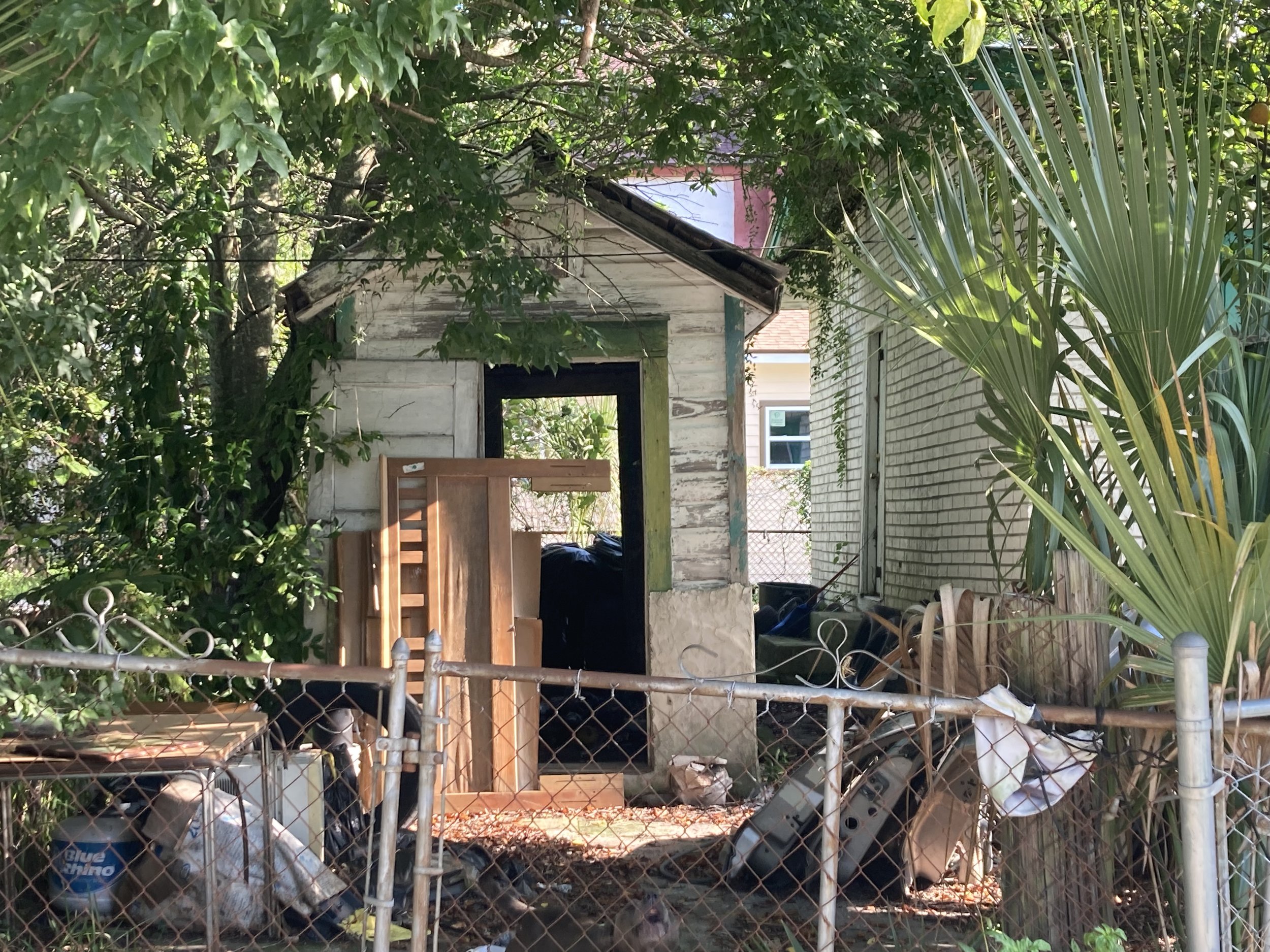
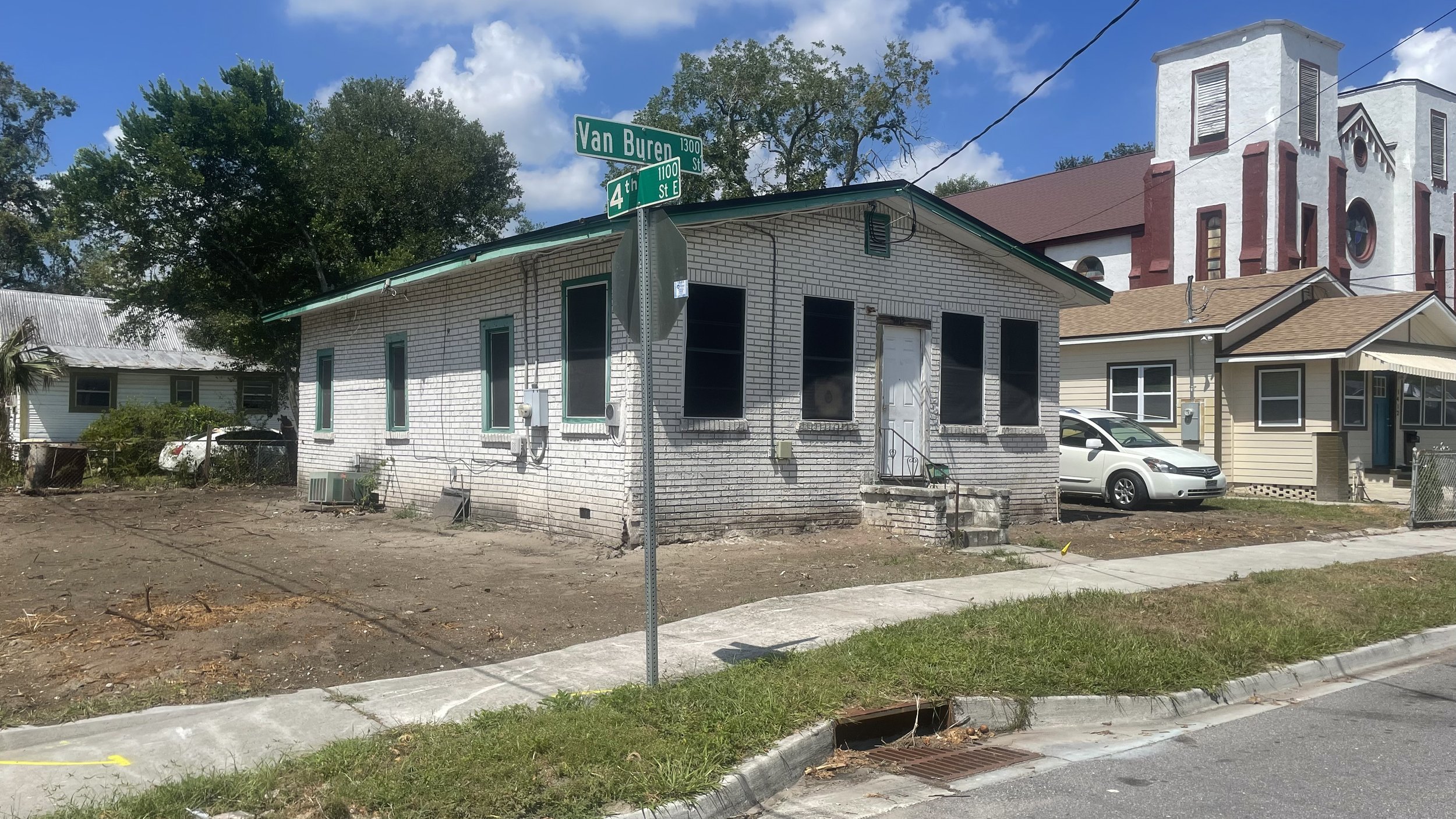
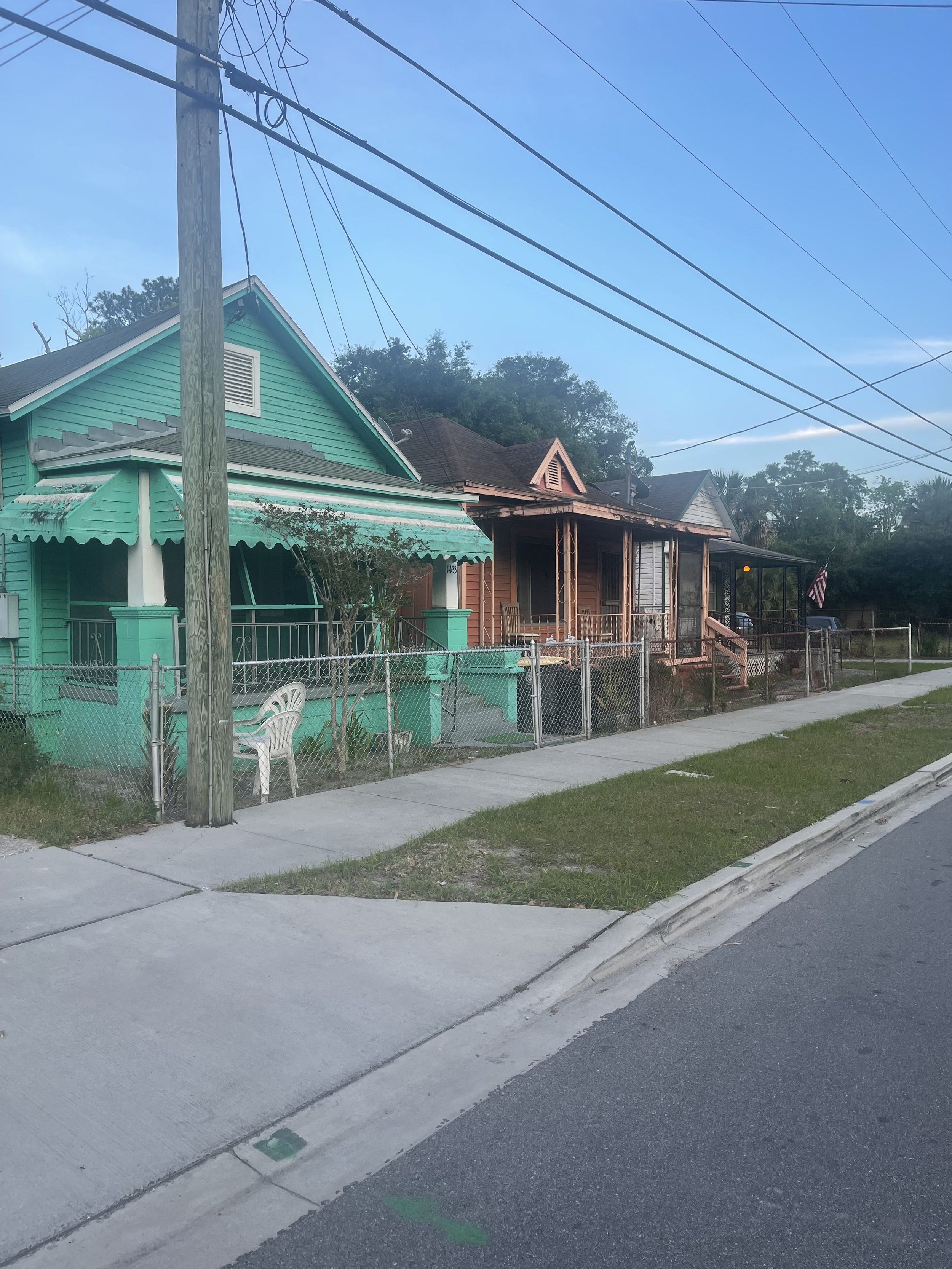
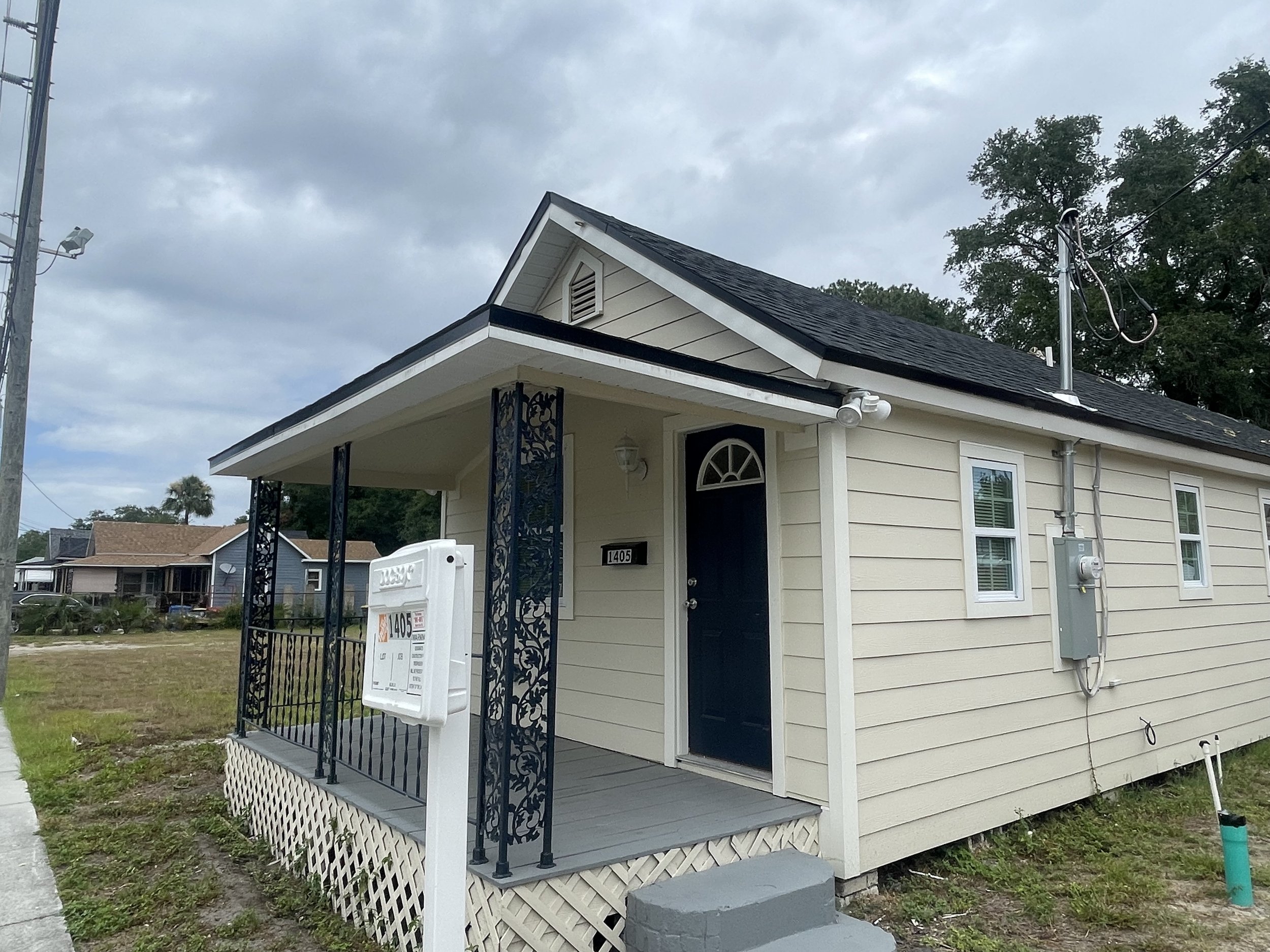
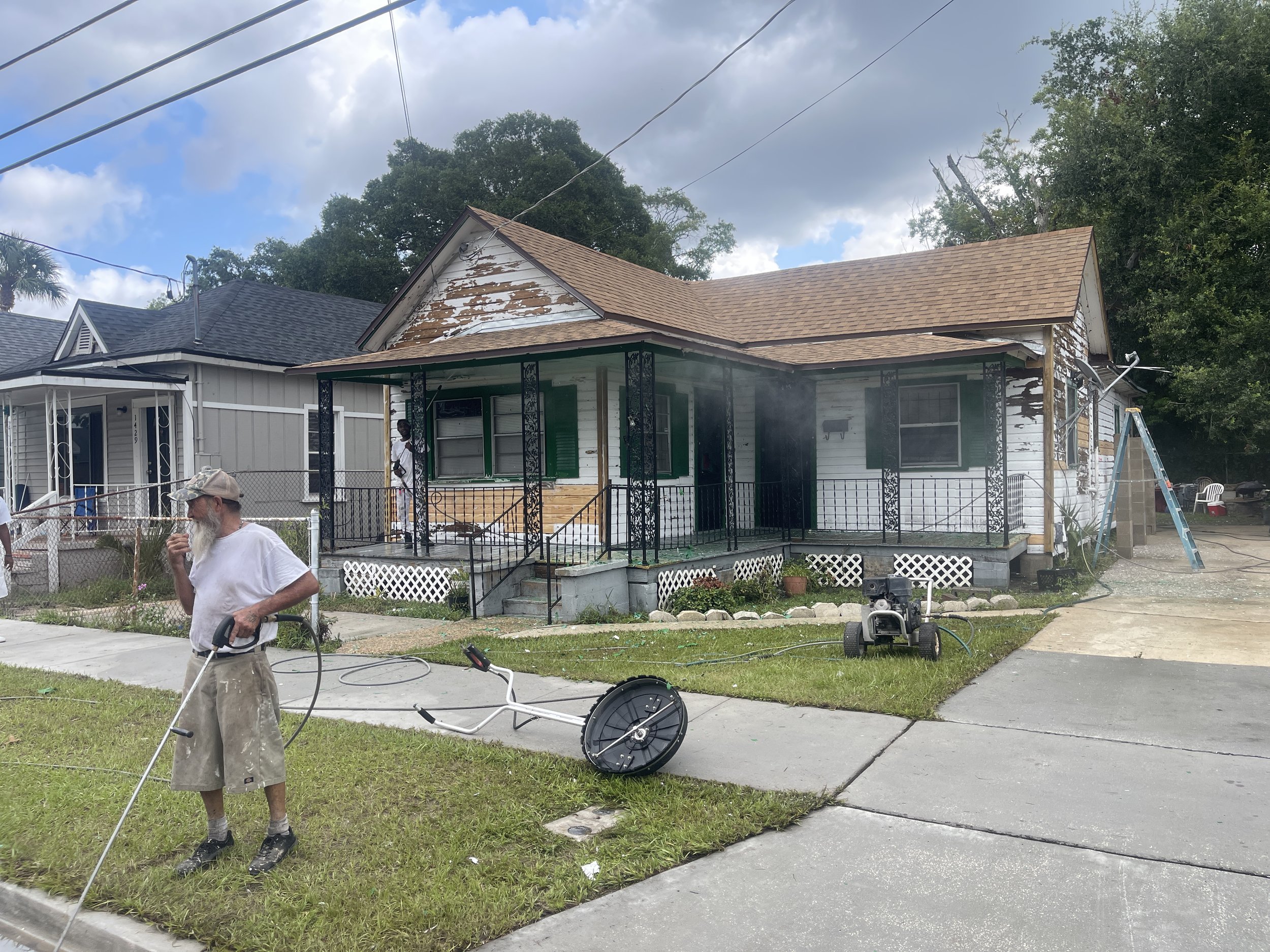
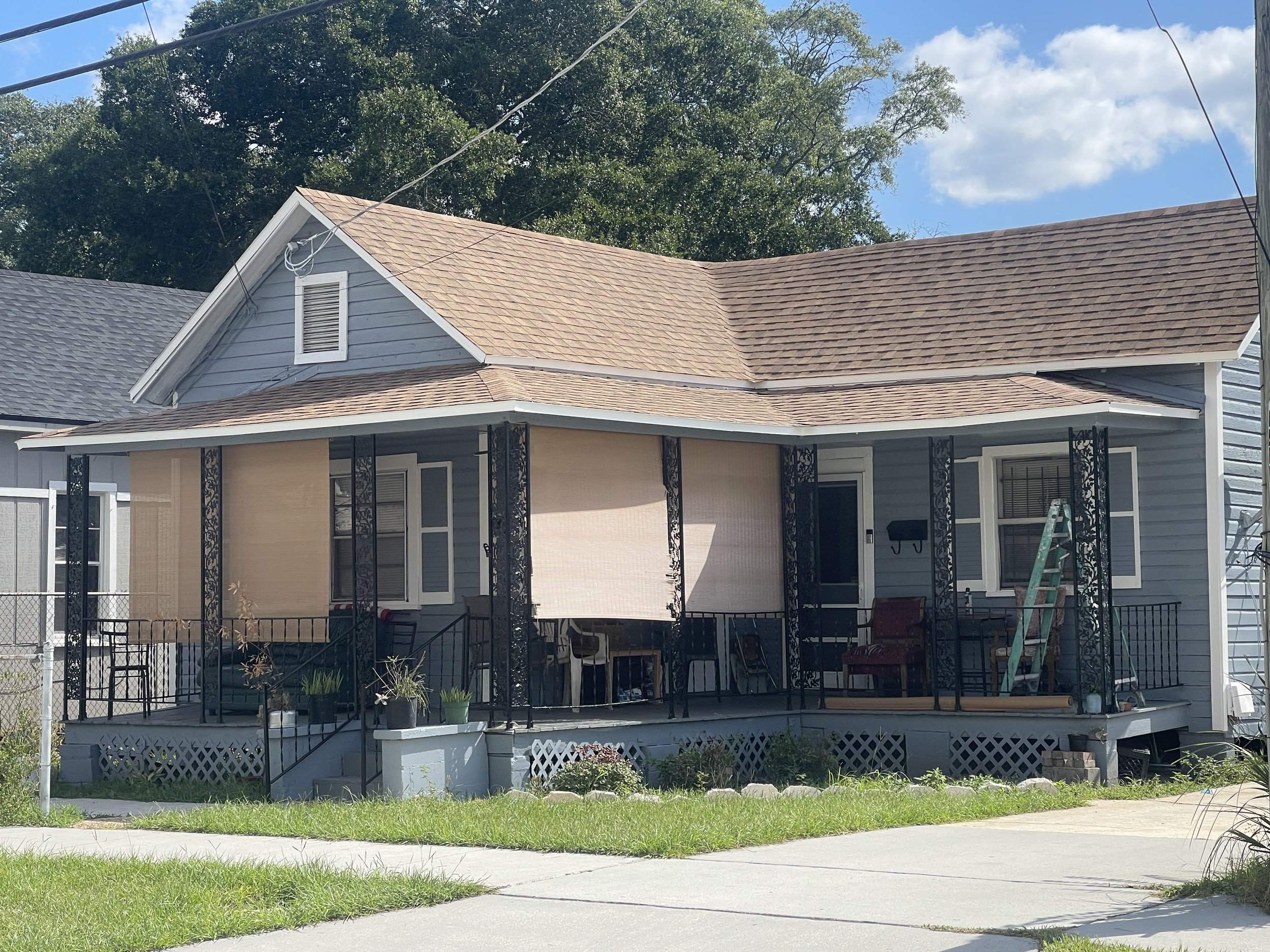
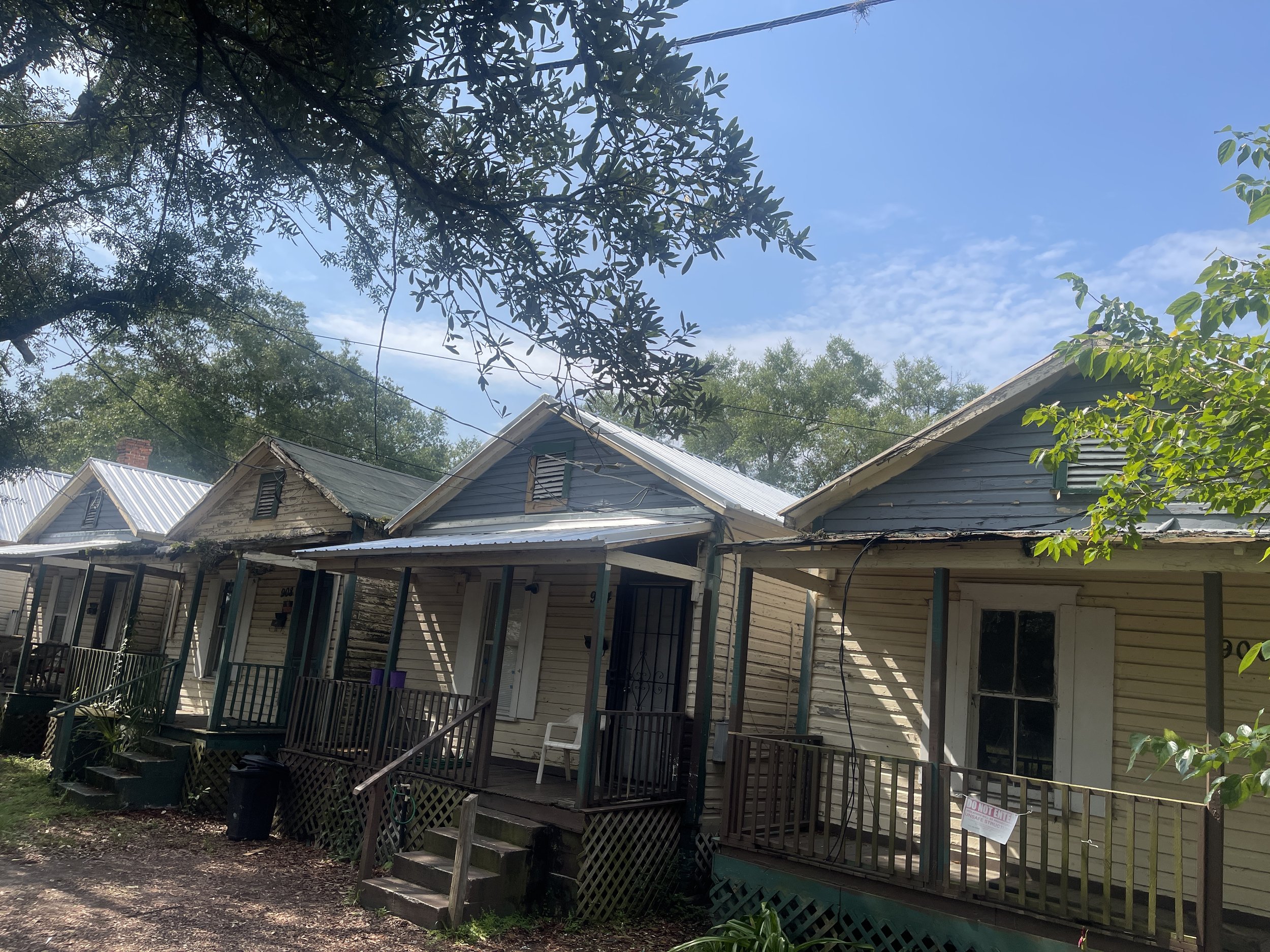
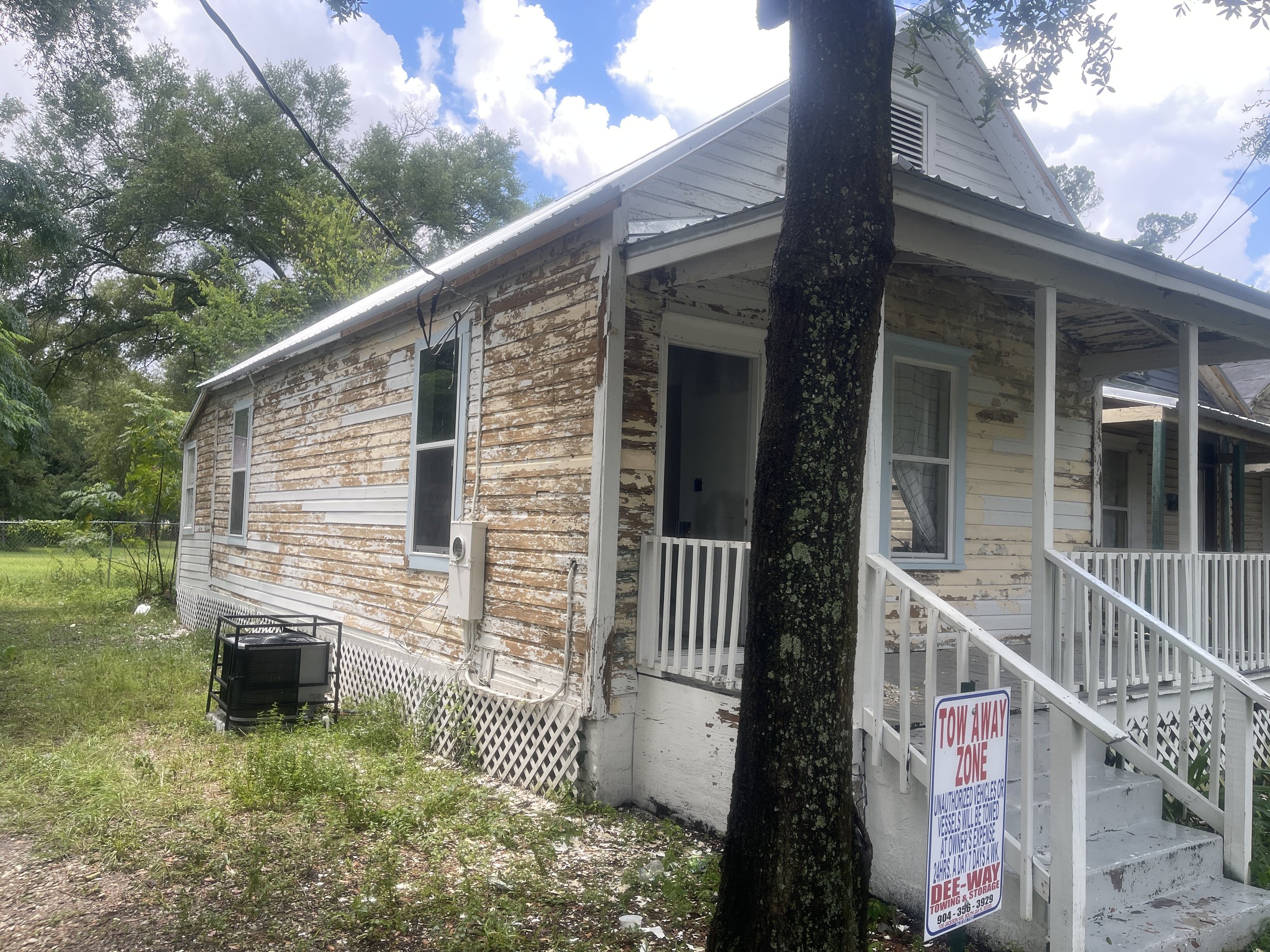
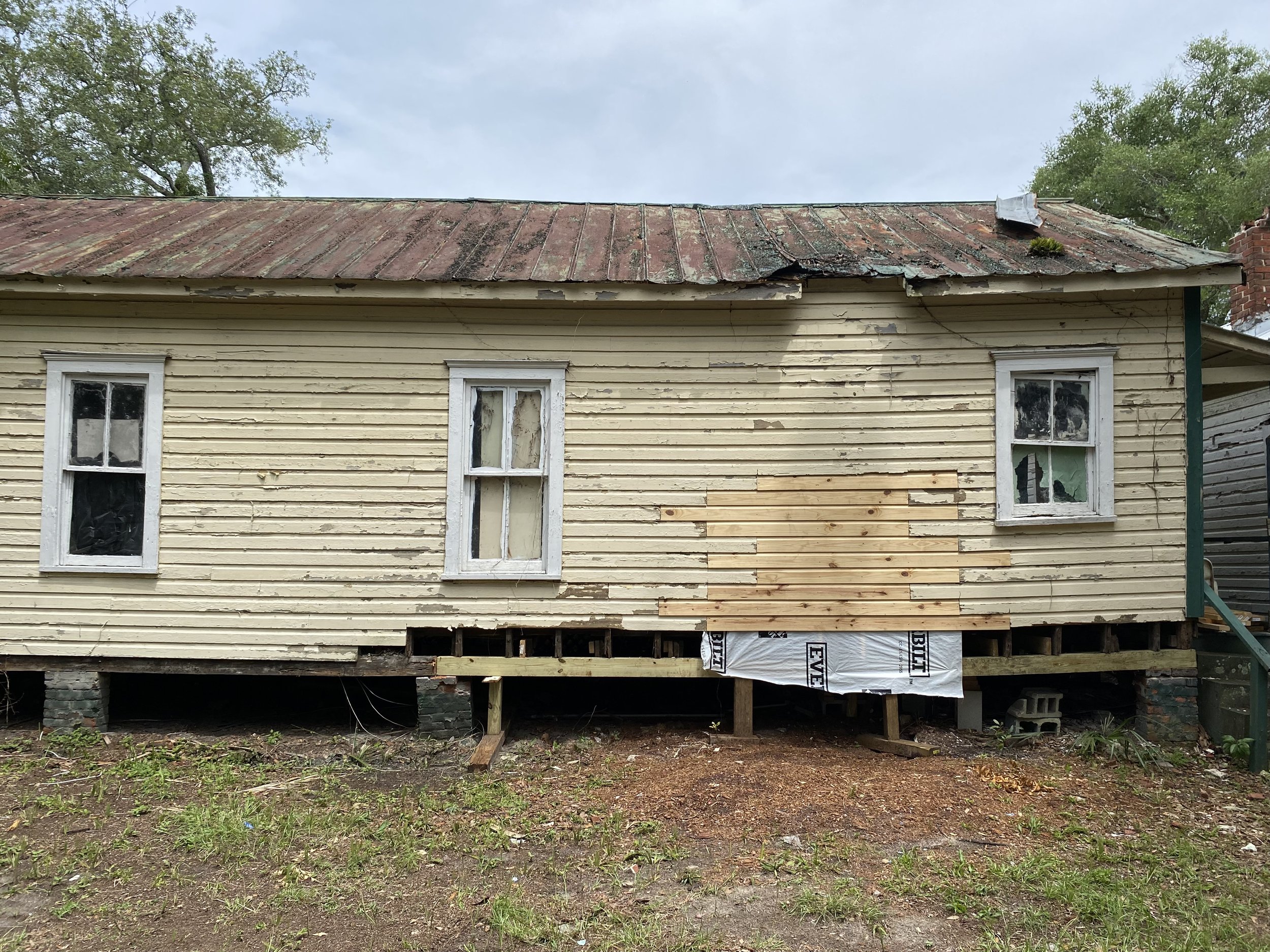
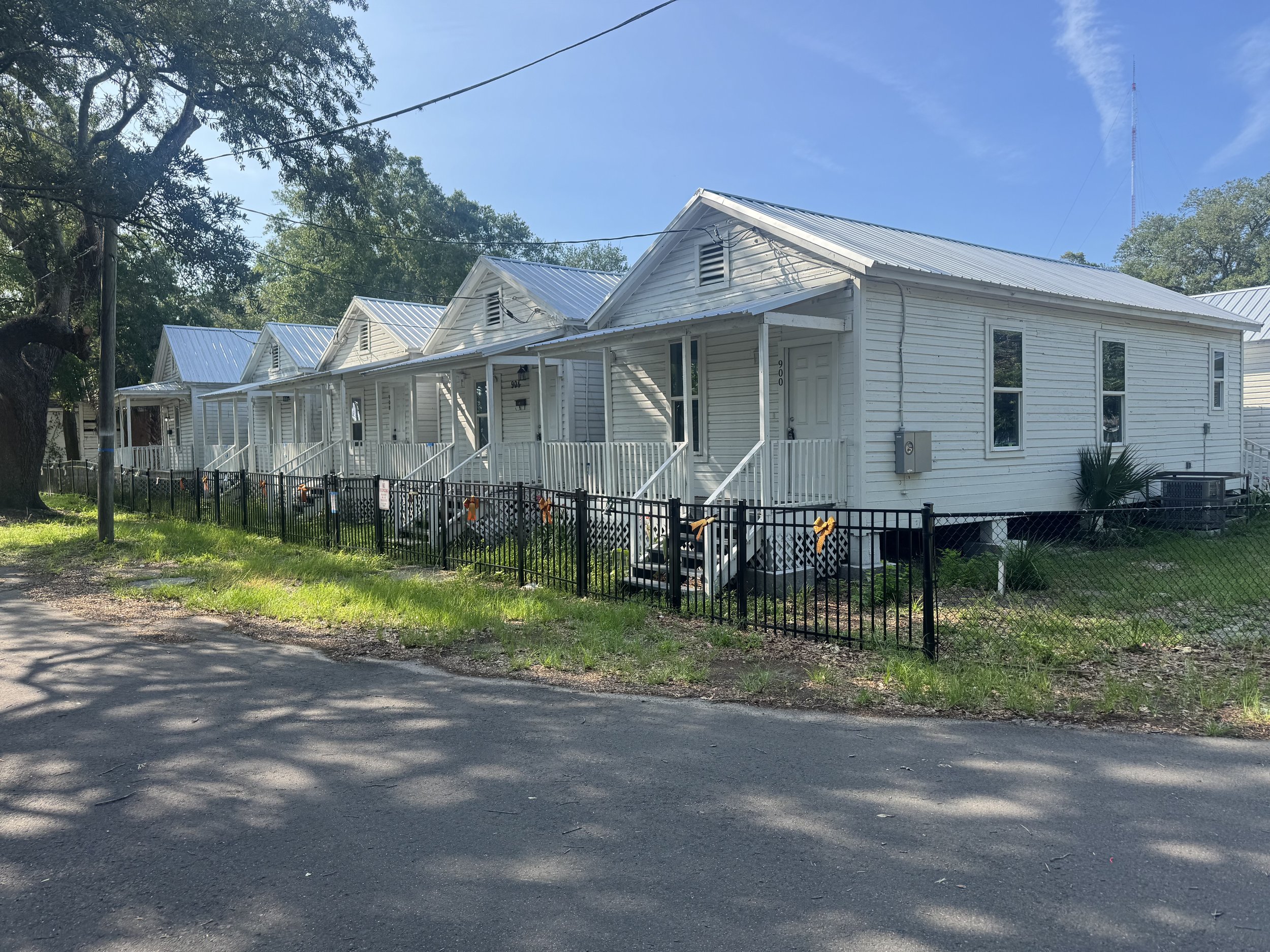
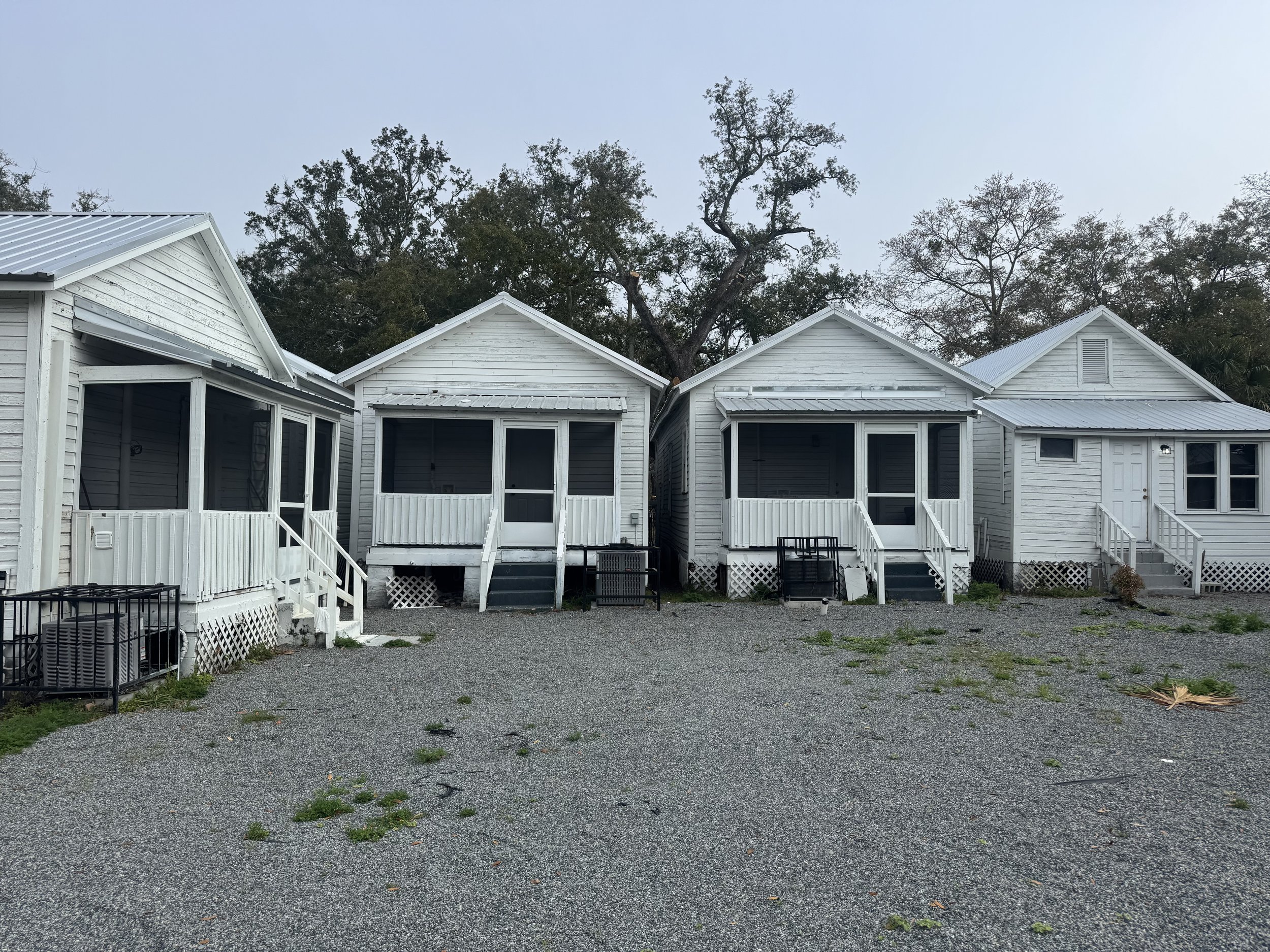
Florida’s oldest intact African American neighborhood on the National Register of Historic Places- the southermost anchor of the Gullah Geechee Corridor- preserved not as artifact but as home - FRAME VERNACULAR BUNGALOW homes built as early as 1904.
DESIGNATION
PRESERVE
TRAIL
NATIONAL REGISTER 2023
Historic
Designation.
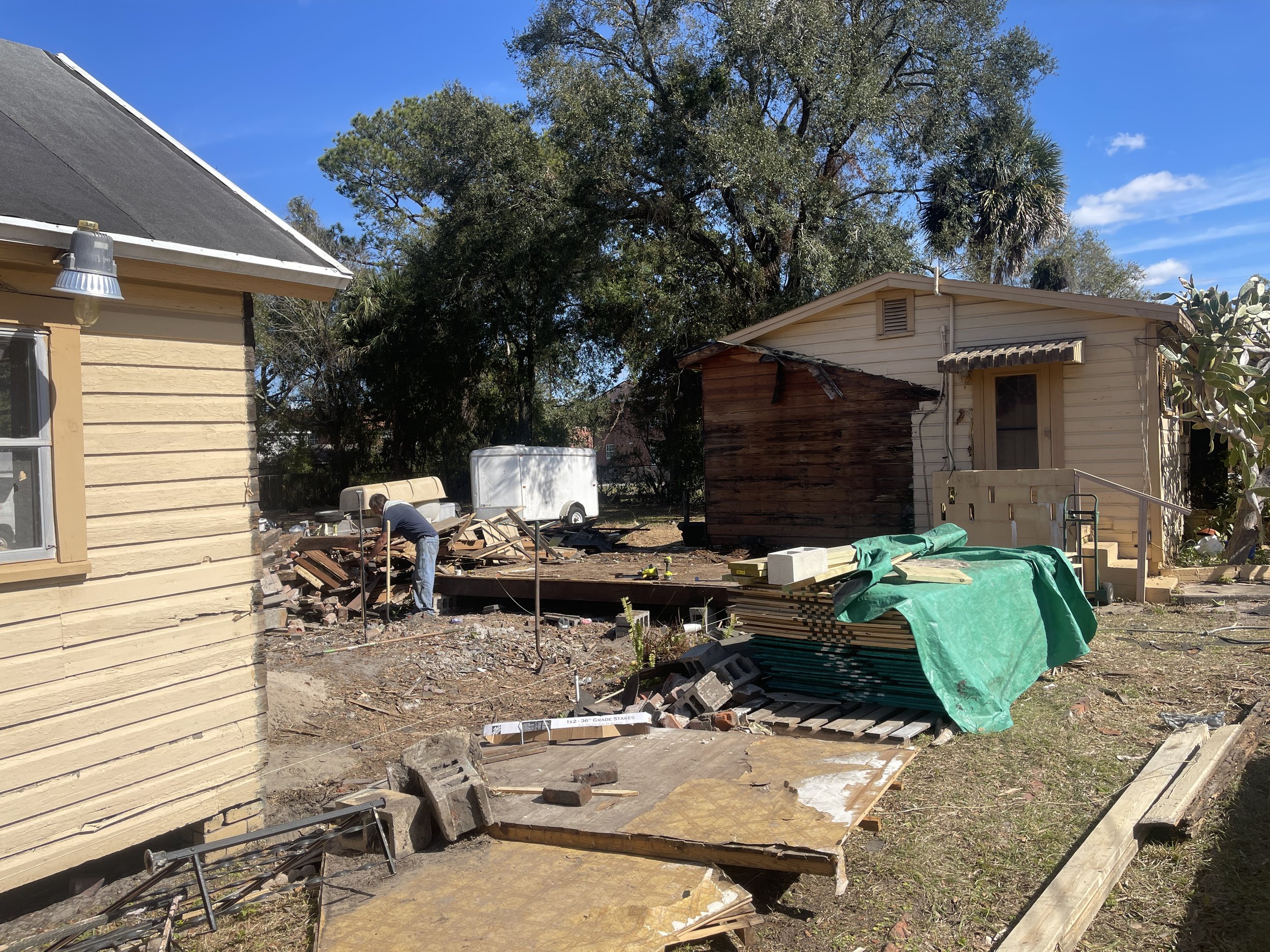
Preservation is how we protect what generations built.
In 2023, that legacy was formally recognized when the Eastside Historic District earned listing on the National Register of Historic Places, protecting more than 678 contributing resources that tell our story in brick, timber, and streetscape. As the southernmost anchor of the Gullah Geechee Cultural Heritage Corridor and home to a Florida Main Street designation along A. Philip Randolph Boulevard, the Eastside carries a weight of history that deserves more than a marker — it deserves stewardship. Preservation here isn't about freezing the past in place. It's about ensuring that as Jacksonville grows, the people and structures that have always been here have a future too.
Frame-vernacular, bungalow, masonry
Eastside Historic District
Primary period of significance
What We
Preserve.
Our commitment is to preserve the history, heritage, culture, and physical character of Jacksonville's Historic Eastside, known as OUTEAST to generations of residents. Established after the Civil War, the Eastside grew into a thriving African American working-class community and remains the last historic neighborhood directly bordering Downtown Jacksonville. Much of the neighborhood's defining development occurred between 1868 and 1947, leaving a distinctive collection of frame-vernacular homes, bungalows, churches, businesses, and community landmarks. For us, preservation is not simply about saving old buildings. It is about protecting the people, places, stories, culture, and legacy that make OUTEAST irreplaceable.
Heritage
Trail
The heritage trail includes murals, markers, and public art projects that depict the history of Eastside residents, patrons and historians. The trails will help ease the inevitable tensions of gentrification by visually recording stories of the Eastside, building pride in the community transitions so that newcomers understand this place that they now find so attractive to live.
A visual archive in the streets — so newcomers learn the names that made this ground valuable long before it was desirable.
16 SITES